
Pinellas County Lookup Sources
A Pinellas County resident lookup should begin with the record that best fits the known clue. The Property Appraiser roll is strongest when an owner or address is known. The Clerk separates recorded instruments from court cases. Election records can support a registration address, while vital, business, and license records confirm specific events or affiliations. Access differs. Some indexes are free online, older deed books require a Clerk counter visit, and certified vital copies carry eligibility rules.
| Record | What It Confirms | Where | Access |
|---|---|---|---|
| Property roll | Owner, site and mailing address, parcel, deed link | PCPAO Quick Search | Free current county roll |
| Recorded documents | Party spelling, instrument and legal description | Clerk Official Records | Online from 1957; older books at Clerk |
| Voter record | Registered address, status, party and precinct | Florida voter status or public extract | Protected fields withheld |
| Court case | Party role, case, filing and disposition | Court Records Inquiry | Confidential files gated |
| Vital event | Birth, death, marriage or dissolution | Florida Vital Statistics and Clerk | Copy rules and charges differ |
| Business or license | Entity role, credential and status | Sunbiz, DBPR and DOH MQA | Free public indexes |
Start from a known address with the property roll. Start from a lawsuit, estate, or family matter with the court party index. A trade or company clue belongs in a state license or business filing. Results should overlap on two stable facts before they are joined. A surname alone is weak, and a tax mailing address may belong to a trust, manager, seasonal owner, or heir.
Pinellas County Court Name Search
The Pinellas Clerk Court Records Inquiry searches circuit and county cases by party, case, attorney, or calendar. In party mode, choose a case category, enter a person or business name, and narrow the date range. Closed cases can be included. Middle name and date of birth may refine a result when available to the user's access level. A wildcard broadens a match, but can multiply false hits.
| Result Field | Meaning |
|---|---|
| Case number, type and status | The proceeding and whether it remains open |
| Party and role | Plaintiff, defendant, petitioner, decedent, or another participant |
| Filed date and docket events | The sequence of the public case record |
| Attorney and judicial officer | Who represented a party and handled the matter |
| Linked documents | Public images available remotely |
A court address may be a lawyer's mailing address. A person named in probate may be an heir rather than a household member. If an entry lacks an image, give the Clerk its case number and exact docket date or title. Public terminals and counter staff can retrieve some older or non-imaged public files. They cannot override confidentiality.
Verify a Pinellas County Resident
Common names are the chief resident lookup trap. Begin with the most distinct known fact, then test it in another official source. A parcel number and matching legal description are stronger than a town name. A court role and event date are stronger than a name alone. Former surnames, middle initials, suffixes, co-owners, and business styles should be searched as separate variants.
- Anchor the person to a parcel, deed, case, business, or event. Save the exact spelling and date.
- Open a second official index. Search name variants and narrow by place, type, or date.
- Compare stable facts such as legal description, co-party, entity role, case role, or chronology.
- Keep conflicts separate. Ask the custodian to correct an index or image error.
- Docket
- The ordered list of filings and events in a court case.
- Index versus image
- An index points to a record. An image shows the filed document, subject to access rules.
- Certified copy
- A copy authenticated by the custodian for a use that requires official proof.
Negative results stay inconclusive. A resident may rent, use an off-site mailing address, appear under a former name, or have a protected record. The county public-record request portal is a fallback for a named record series and date window, not a path around an exemption.
A focused request should name the record series, likely date range, and any case, parcel, instrument, or license number already found. Ask for the preferred electronic format and a cost estimate if the request may require broad work. Pinellas County routes general requests through its public-record request page, while court, recording, election, and property corrections belong with their own custodians. Staff can explain access and locate a known item. They should not be asked to decide whether two same-name entries are the same person.
Two Pinellas County Resident Indexes
Pinellas County keeps Official Records and court cases in separate searches. The Official Records index follows deeds, liens, judgments, and other instruments by party, date, instrument, book and page, or legal description. Court Records Inquiry follows lawsuits and cases by party role and docket. A deed belongs in the first. A probate case or civil filing belongs in the second.
This split matters when trying to look up a resident. An assessor sales row is only a lead to the deed, while a probate docket may explain an estate transfer. Official Records online coverage begins in 1957. Earlier work moves to Clerk microfilm and deed-book indexes at Clearwater or downtown St. Petersburg. If a document fails as a PDF, the Clerk portal advises switching its viewer to TIFF.
Search roles as carefully as names. A grantee receives an interest in a recorded conveyance, while a grantor gives it. A court plaintiff, defendant, petitioner, respondent, or decedent has a role defined by that case. The same person may appear in more than one role over time. Dates and co-parties can separate those appearances. Legal descriptions are especially useful because ordinary street addresses may be assigned or changed after a deed was recorded.
Note: Save every record number and search all known spellings before asking counter staff for the precise item.
Pinellas County Family Lookup Trails
A lawful family search often crosses probate, obituary, deed, and vital sources. For an heir, start with the decedent's probate docket, then compare any will or petition with a recorded estate transfer. Do not assume an heir's filing address is current. For a deceased resident, any adult may order a death certificate without cause, while cause-of-death information remains restricted for 50 years to eligible applicants.
The Florida birth certificate service asks for event details, parents' names, applicant identity, relationship, and proof of eligibility. The captured official access page below is one Pinellas County resident lookup route.
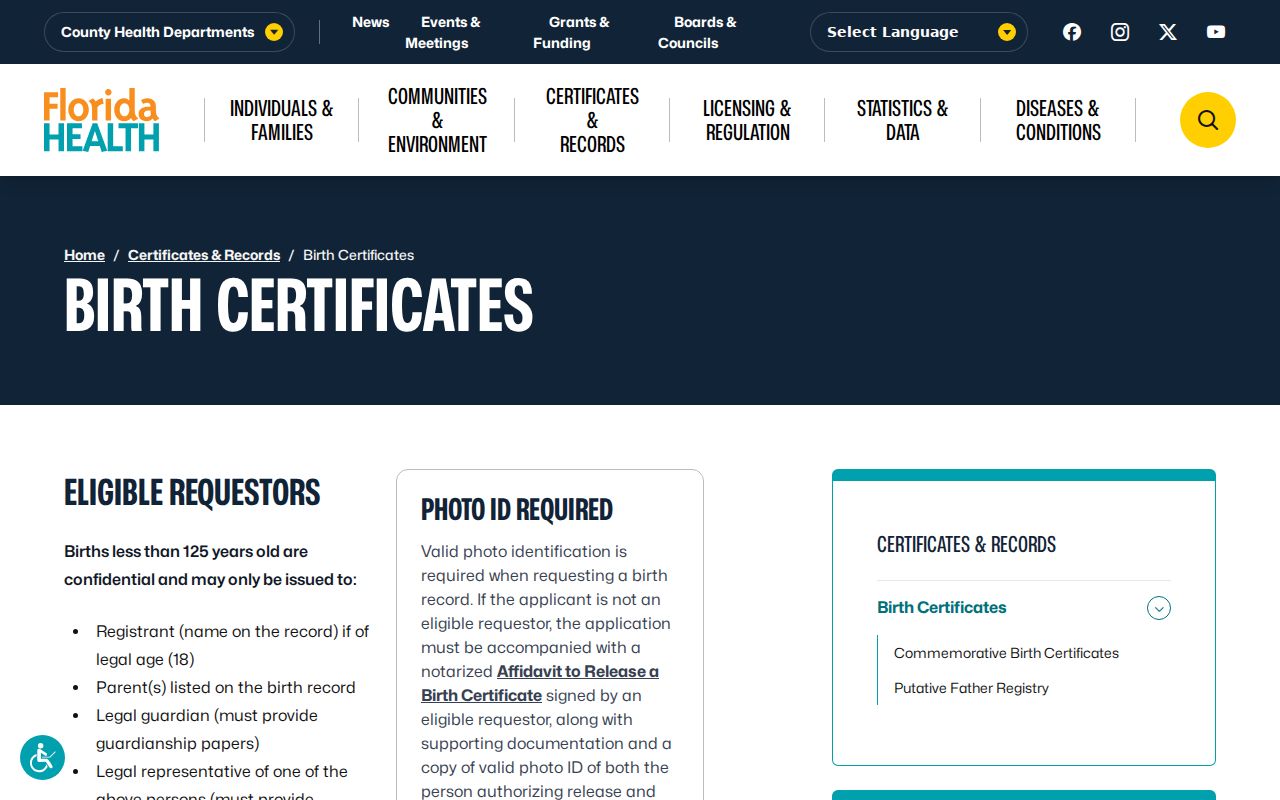
Birth records remain confidential until more than 125 years old unless an eligible applicant qualifies. The process is not an open resident list. Sealed adoption files should never be bypassed.
Marriage records are generally public, but the state certificate is different from the Clerk's local license record. A dissolution certificate is only an abstract of the event. The Pinellas court file holds the public judgment and docket detail, subject to court confidentiality rules. Death indexes, cemetery transcriptions, and library obituary sources can help resolve dates and relatives. They remain finding aids until compared with the record held by the Clerk or Bureau of Vital Statistics.
Verify Pinellas County License Records
Florida regulatory databases can distinguish a same-name resident through a profession, entity, license number, or location. Sunbiz searches businesses by name, officer or agent, filing number, ZIP, and street. DBPR searches by name, number, city or county, and license type. The DOH MQA provider lookup adds board, profession, business name, county, ZIP, and status.
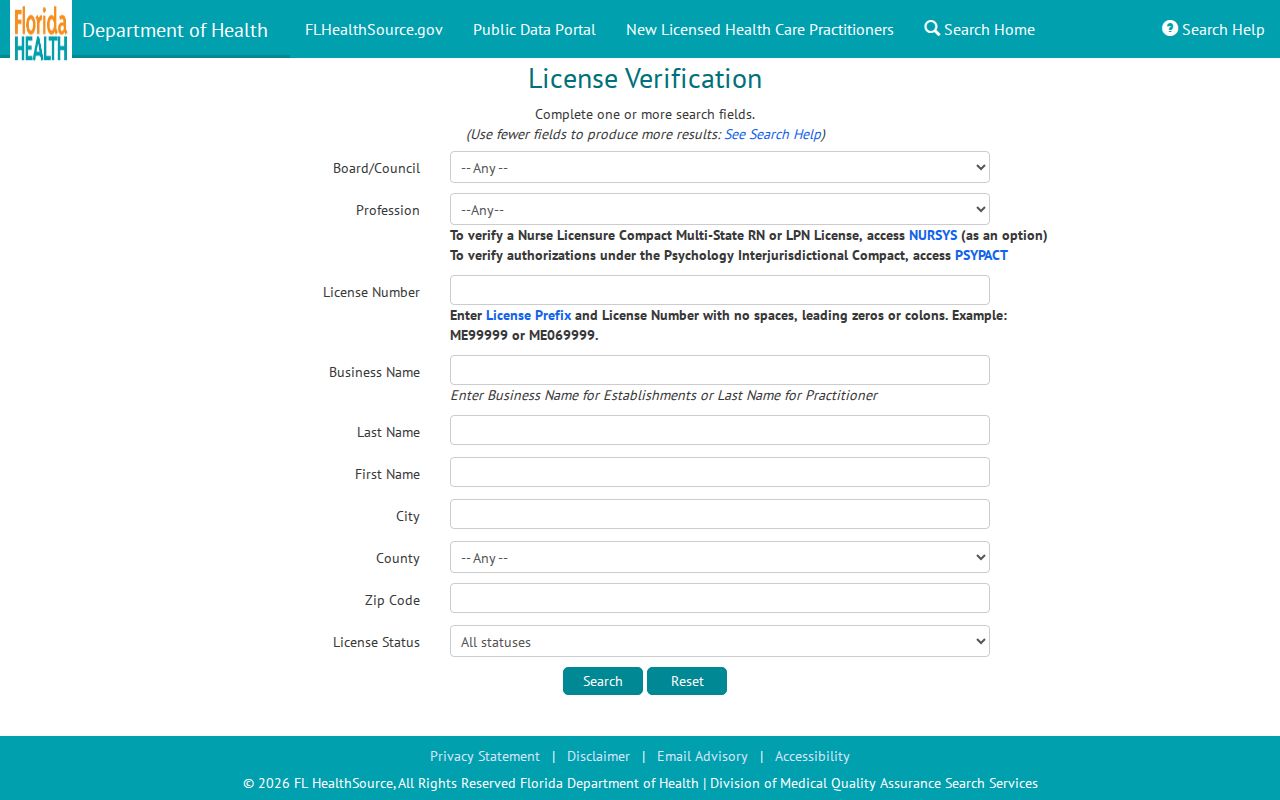
The MQA screen supports a Pinellas County filter. Entering fewer fields broadens results, but an address may be a practice site rather than a home. Sunbiz annual-report images show when officers or filing addresses changed. These dated ties support an identity match without proving present residence.
Pinellas County Resident Custody Records
A county case docket, county jail booking, and state corrections record cover distinct systems. The Pinellas jail inquiry addresses current custody and recent releases. Older booking material goes through the Sheriff's records-request route. The Florida Corrections Offender Network searches state custody or supervision by identity or corrections number.
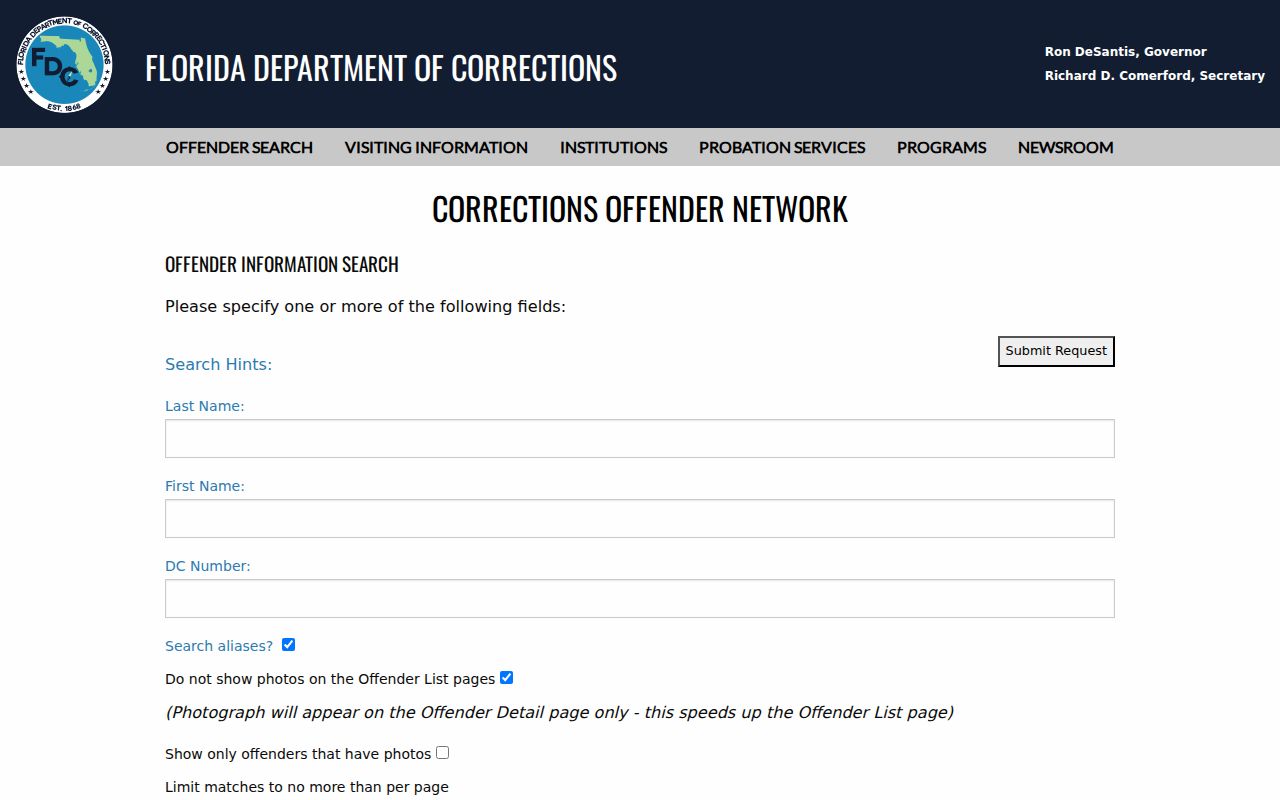
A state result may show status, facility or supervision, sentence, and release information. A booking is not a conviction, and a corrections record is not a home directory. Confirm outcomes in the Clerk docket and read the role and disposition.
Federal matters arising in Pinellas County are generally handled in the Middle District of Florida and searched through PACER. That paid federal system is separate from the free local Clerk portal. Florida appellate cases have their own docket search as well. These jurisdiction lines explain why one empty county search cannot establish that no other public case exists. Search only the system tied to the known event, then document which places and date ranges were actually checked.
Pinellas County Resident Lookup Limits
Florida access has firm boundaries. Social Security numbers and voter identity numbers remain confidential. Sealed, expunged, juvenile, adoption, mental-health, and protected court material is not opened by a broad request. The Address Confidentiality Program gives eligible survivors a substitute mailing address. Other statutory classes can shield designated home fields. A blank address may be deliberate.
Errors should be fixed at their source. Contact PCPA for parcel data, Pinellas Elections for voter data, Recording Services for an Official Records index or image, and the Clerk division for docket issues. Florida's Digital Bill of Rights applies only to covered large technology companies. It is not a universal deletion right.
Lawful use. A Pinellas County resident lookup is for lawful personal research. Never use identity or address clues to stalk, harass, threaten, or intimidate anyone.